What Is a Cavoodle Dog? The Complete Breed Guide
Everything you need to know about this adorable and popular hybrid breed

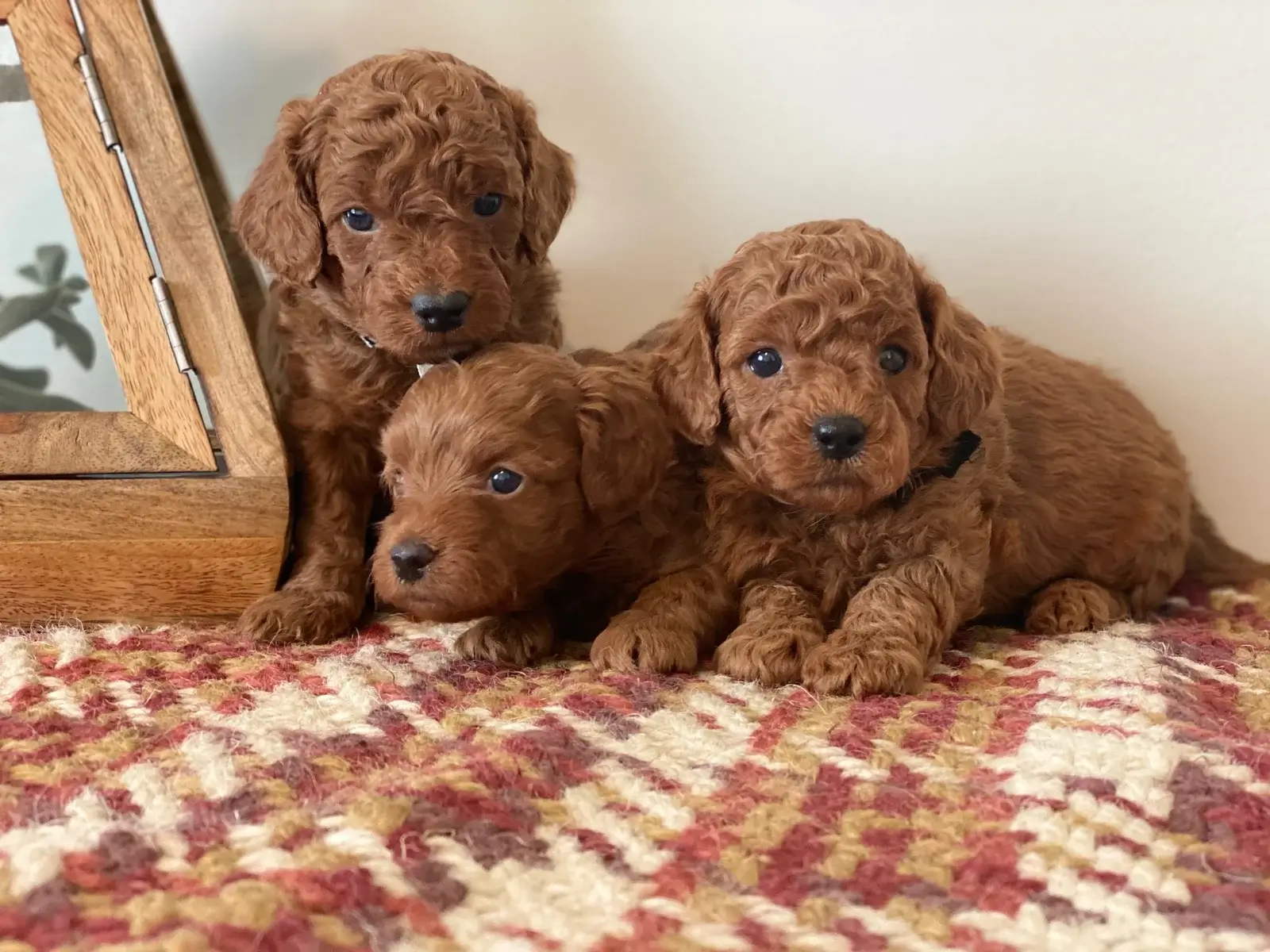
A playful Cavoodle enjoying outdoor time
What Exactly Is a Cavoodle?
A Cavoodle is a crossbreed dog created by mixing a Cavalier King Charles Spaniel with a Poodle (typically a Miniature or Toy Poodle). This intentional crossbreeding aims to combine the gentle, affectionate nature of the Cavalier with the intelligence and low-shedding coat of the Poodle.
First developed in the 1990s, Cavoodles were part of the initial wave of “designer dogs” bred specifically to create ideal family companions with hypoallergenic qualities. Their popularity has grown steadily, particularly among families, apartment dwellers, and individuals with mild allergies to dogs.
Intelligent & Trainable
Inheriting the Poodle’s renowned intelligence, Cavoodles are quick learners who respond well to positive reinforcement training methods.
Family-Friendly
With their gentle disposition from the Cavalier side, they’re excellent with children and get along well with other pets.
Low-Shedding
Their Poodle heritage gives them a coat that sheds minimally, making them a better choice for allergy sufferers.
Adaptable
Cavoodles thrive in various living situations, from apartments to houses with yards, as long as they receive proper attention.
Cavoodle Appearance and Size
Cavoodles typically weigh between 5-12 kg (11-26 lbs) and stand 28-35 cm (11-14 inches) tall at the shoulder, though size can vary depending on whether a Toy or Miniature Poodle was used in breeding.
Their appearance can vary significantly even within the same litter, with some taking after the Cavalier parent and others resembling the Poodle parent more closely. Common features include:
- Soft, wavy or curly coat that can be low-shedding
- Expressive, round eyes that are typically dark brown
- Floppy ears that hang close to the head
- Well-proportioned body with a moderately long tail
- Coat colors including gold, apricot, chestnut, black, white, or combinations
Quick Facts
Cavapoo, Cavadoodle, Cavoodlepoo
Hybrid/Designer Dog
10-15 years
Friendly, Intelligent, Affectionate
Moderate
Low to Non-Shedding
Cavoodle Temperament and Personality
Cavoodles are renowned for their sweet, gentle temperament. They inherit the Cavalier’s affectionate nature and desire to be close to their humans, combined with the Poodle’s intelligence and eagerness to please. This makes them exceptionally trainable and wonderful companions.
These dogs typically form strong bonds with all family members and tend to get along well with other pets. They’re known for being:
- Highly affectionate and people-oriented
- Intelligent and quick to learn commands
- Generally good with children and other animals
- Adaptable to different living situations
- Moderately energetic – enjoying playtime but also content to cuddle
Potential owners should note that Cavoodles can develop separation anxiety if left alone for extended periods, as they thrive on human companionship. Early socialization and training are essential to ensure they grow into well-adjusted adults.
Care and Grooming Requirements
Grooming
Despite being low-shedding, Cavoodles require regular grooming to prevent matting and keep their coat in good condition:
- Brushing 2-3 times per week
- Professional grooming every 6-8 weeks
- Regular ear cleaning to prevent infections
- Dental care including brushing and dental chews
- Nail trimming every 3-4 weeks
Exercise Needs
Cavoodles have moderate exercise requirements. A daily walk of 20-30 minutes combined with some playtime is usually sufficient to keep them happy and healthy. They also enjoy interactive games and training sessions that challenge their intelligent minds.
Training
Thanks to their intelligence and eagerness to please, Cavoodles are generally easy to train. Positive reinforcement methods work best, as they respond well to praise and treats. Early socialization is important to ensure they develop into confident, well-mannered dogs.
Pros of Owning a Cavoodle
- Excellent family pets, great with children
- Low-shedding coat, better for allergy sufferers
- Highly intelligent and trainable
- Adaptable to various living situations
- Generally good with other pets
- Affectionate and loyal companions
Cons to Consider
- Can be prone to separation anxiety
- Regular grooming requirements
- Potential for inherited health issues
- Can be expensive to purchase from reputable breeders
- May develop barking habits if not properly trained
- Need consistent mental stimulation
Health Considerations
Like all breeds, Cavoodles can be predisposed to certain health conditions inherited from their parent breeds. Responsible breeders screen for these issues:
- Mitral Valve Disease: A common heart condition in Cavalier King Charles Spaniels
- Syringomyelia: A serious neurological condition affecting some Cavaliers
- Hip Dysplasia: A developmental condition affecting the hip joint
- Eye Problems: Including cataracts and progressive retinal atrophy
- Ear Infections: Due to their floppy ears that can trap moisture
Regular veterinary check-ups, a balanced diet, appropriate exercise, and maintaining a healthy weight can help prevent or manage many health issues.
Is a Cavoodle Right for You?
Cavoodles make wonderful pets for a variety of households, but they’re particularly well-suited to:
- Families with children
- First-time dog owners
- Apartment or condo dwellers
- Individuals or families with mild dog allergies
- Households looking for an affectionate companion
- Older adults or retirees seeking a loyal pet
They may not be the best choice for people who work long hours away from home, as they can develop separation anxiety. Those unwilling to commit to regular grooming may also want to consider a lower-maintenance breed.
Ready to Welcome a Cavoodle Into Your Home?
If you’re considering adding a Cavoodle to your family, remember to research reputable breeders or consider adoption. Always meet the puppy’s parents when possible and ask for health clearances.
Frequently Asked Questions
Are Cavoodles hypoallergenic?
While no dog is 100% hypoallergenic, Cavoodles are considered a good choice for people with mild allergies because they shed very little. However, it’s important to note that allergies are often triggered by dander and saliva, not just fur, so spending time with a Cavoodle before bringing one home is recommended for allergy sufferers.
How much exercise does a Cavoodle need?
Cavoodles have moderate exercise needs. A daily walk of 20-30 minutes, combined with some playtime and mental stimulation, is usually sufficient. They adapt well to their owner’s activity level but should not be over-exercised, especially as puppies.
Are Cavoodles easy to train?
Yes, Cavoodles are generally easy to train due to their intelligence and eagerness to please. Positive reinforcement methods work best. They excel in obedience training and can learn tricks quickly.
Do Cavoodles bark a lot?
Cavoodles aren’t known as excessive barkers, but they will alert you to visitors or unusual sounds. With proper training, this can be managed. Some may develop barking habits if bored or under-stimulated.
What is the difference between a Cavoodle and a Cavapoo?
There is no difference – Cavoodle and Cavapoo are different names for the same hybrid breed (Cavalier King Charles Spaniel + Poodle). The name varies by region, with Cavoodle being more common in Australia and Cavapoo more common in the United States.